
More Days Out News
-
-
Garden Rescue LIVE announces first ever UK tour
Posted on Mon 26 Oct
-
Shakespeare gets spooky this half-term
Posted on Tue 20 Oct

Festive Good Food Show returns to NEC Birmingham from Thursday 26 to Sunday 29 November bringing four days of festive food, famous chefs, delicious discoveries and plenty of inspiration for Christmas.
New name, new chefs and more to discover than ever before. Plus, the first new headline sponsor in ten years, Princess Cruises.
Whether you’re looking for fresh ideas for Christmas dinner, gluten-free inspiration and products, tips on stress-free hosting, searching for the perfect foodie gift, keen to discover your new favourite producer or simply want to spend the day eating, drinking and watching some of the UK’s best chefs and Good Food Magazine’s most loved and respected faces in action, the show is the perfect place to get into the festive spirit.
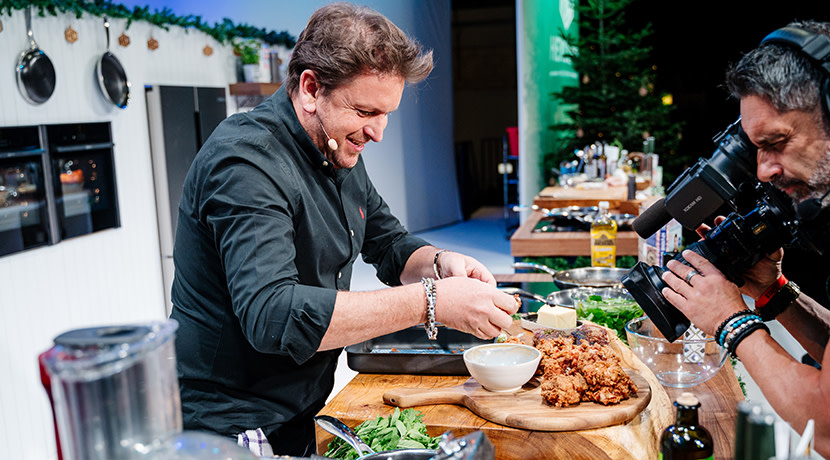
At the heart of the show is the Big Kitchen, sponsored by HexClad, hosted by the brilliant Marcus Bean and bringing some of the biggest names in food to the stage, with Good Food prizes up for grabs, for members of the audience.
The 2026 line-up includes James Martin, John Torode and Lisa Faulkner, Jane Dunn of Jane’s Patisserie and Cyrus Todiwala. Plus, NEW to the Big Kitchen, Tilly Ramsay, Ping Coombes and Sabrina Ghayour, Belles Berry and Mariella Frostrupp.
For those who want to take some Christmas cooking inspiration home with them, the Festive Kitchen, hosted by Chris Bavin, is the place to be. This drop-in stage is packed with practical ideas, clever tips and plenty of inspiration to help make Christmas dinner go from good to spectacular. Guests including Becky Excell, Francesco Mattana, Brin Pirathapan and Barney Desmazery will share their expertise and festive recipes.
New for 2026 is Kitchen Tales, an up-close, personal and unmissable live Q&A experience at the Festive Good Food Show, bringing you face to face with some of the show’s most exciting faces and voices. It’s an immersive experience that feels as intimate as a private chat with your favourite chef or cookbook author. Featuring Max La Manna, James Martin, John Torode & Lisa Faulkner and more.
But Christmas cooking doesn’t always go according to plan – and that’s where the Christmas Challenge Stage comes in. Expect a delicious mix of chef cook-offs, a Christmas quiz hosted by comedy duo Luke and Elliot and creative ways to make the most of leftovers. Every session brings something different, making it one of the places to head for a bit of festive food-fuelled fun.
If you’ve got a Christmas cooking question that’s been keeping you up at night, the Kitchen Clinic stage hosted by Good Food's Barney Dezmasery is the place to get an answer. Food experts will be on hand to share practical advice, solve those festive cooking conundrums and help visitors head home with a little more confidence in the kitchen.
Of course, all that tasting, cooking and shopping is bound to work up an appetite. For those looking to make lunch part of the experience, the Love At First Bite Restaurant by Princess Cruises offers a chance to sit back, raise a glass and enjoy a dining experience inspired by the food and hospitality found across the Princess Cruises fleet. Places are limited, so advance booking is recommended.
And it’s not all about food. Cocktail lovers can shake, stir and sip their way through the Princess Cruises Cocktail Club, hosted by cocktail expert Andy Clarke. Created in partnership with Princess Cruises, these interactive sessions take inspiration from the cruise line’s signature menus, introducing guests to professional techniques and premium ingredients in a relaxed, hands-on experience.
For cheese lovers, there’s plenty to get excited about too. The Cheese Hub, curated by Perry Wakeman and friends, takes visitors on a delicious journey through festive favourites, artisan cheeses and perfect pairings. It’s a chance to slow down, taste something new and, quite simply, embrace the festive tradition of eating more cheese.
Those looking to discover something completely unexpected can head to Fabulous Food Finds, where Katy Truss will unveil a surprise selection of the best food and drink discoveries she’s made this season. From a chef’s latest bake to a spice that could transform your cooking or a cheese you’ll be thinking about long after the show, every session is a chance to taste something new.
And if meeting your favourite food stars is on your Christmas list, the Book Signing pop-up next to the Big Kitchen is the perfect place to stop. Browse the latest books from chefs and food experts appearing at the show, then meet them in person, have a chat and get your copy signed.
There will also be plenty of fresh new on-the-go food options to suit every appetite including The Canteen and the Festive Street Food Area. Plus NEW for 2026 the Pop-up Patisserie brings the magic of the show’s demonstrations directly to your plate – with ready to eat versions of recipes made famous right here at the Festive Good Food Show.
And with Christmas just around the corner, there’s plenty of opportunity to get ahead with the festive shopping with more options and offers than ever before.
For more information and to book tickets, visit: goodfoodshow.com